
For those who aren’t trained in the field of architecture, it is easy to overlook the importance of light. Light is, arguably, the most significant building material. To a large extent, light governs the way most buildings are designed.
For physiological reasons, buildings in the southern hemisphere are built facing north. Whereas, in the northern hemisphere buildings are built facing south, as the sun path is perpendicular to this direction. This allows for temperature regulation and the control of light.
More generally, humans have always understood light as safety and darkness as danger. Whether artificial or natural, light allows for visibility and therefore safety, whereas darkness generates a fear of the unknown.
Light as Building Material
It is potentially the most influential architectural element, as it has the ability to directly affect its observer’s mood and psyche. History documents this well, and we can see the deliberate manipulation of light throughout the majority of architecture synonymous with its century. For example, the churches and cathedrals of the gothic period made sophisticated use of light by staining glass panels in bright colours and arranging these panels in rose patterns or to represent religious narratives. This architectural innovation was, at the time, highly successful in conveying the spiritual importance of the space. Here, light even signified the connection to a higher power.

Lighting in Contemporary Architecture
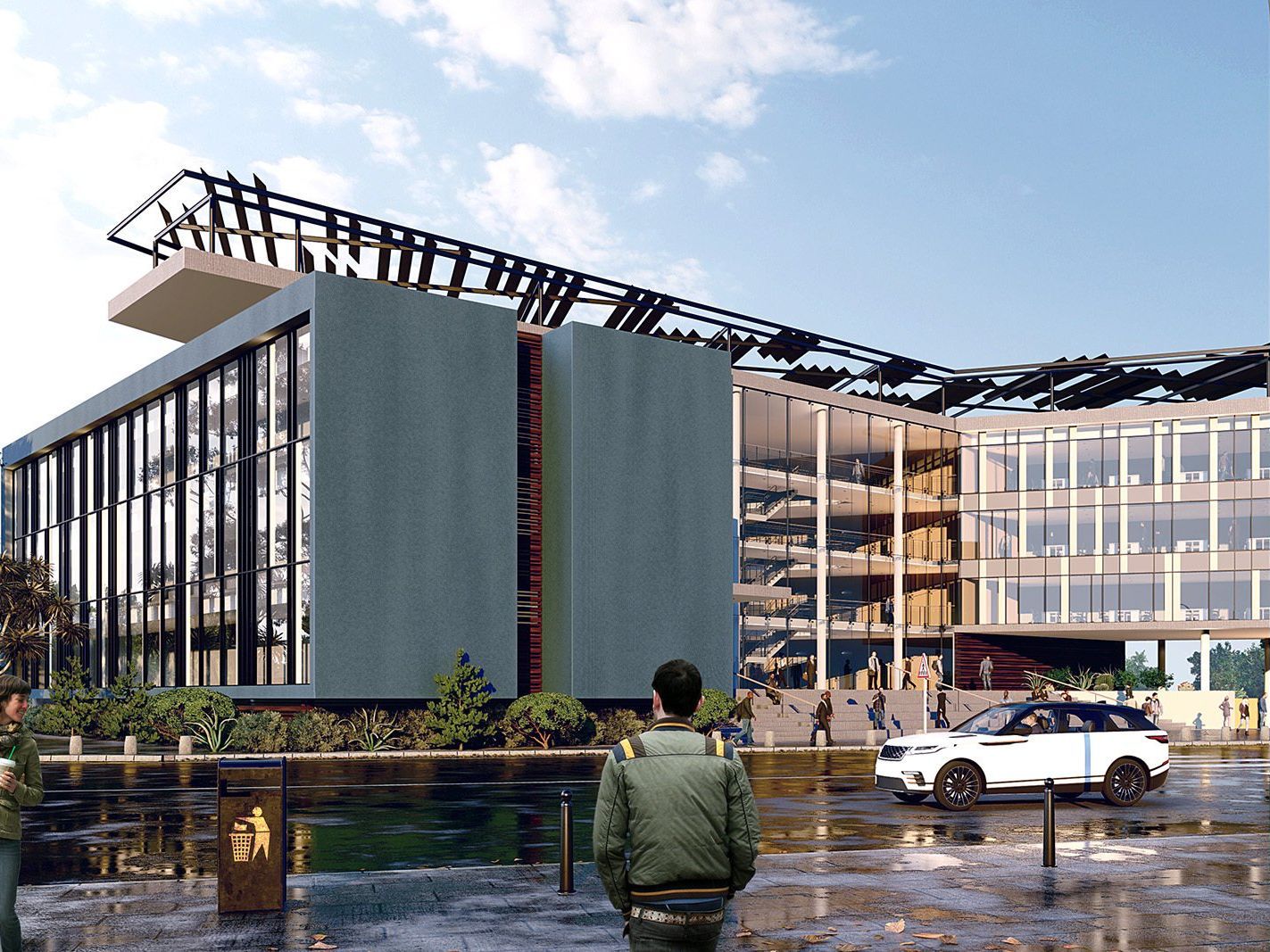
Today, spaces are most often open plan which allows light to fill all areas. A common feature in both commercial and residential buildings today is floor-to-ceiling glazing. This, more than anything, is indicative of how imperative the healing nature of light is in the creation of space. However, light many applications other than only allowing us to see or warming up a room in the late afternoon. Light can create and separate areas if used correctly.
All Architects should have a substantial understanding of using light as a building material; it creates endless opportunities for all project. The Architect should consider all potential scenarios:
How will the kitchen respond to cool light in the morning?
How will the living room capture the golden glow of the late afternoon?
What kind of light does a study area require?
What sort of shading would work best for outside spaces?

Natural vs. Artificial Lighting
Of course, the sun isn’t the only source of light; architecture has to consider artificial lighting. Buildings that only make use of artificial lighting, such as hospitals and prisons, can have adverse effects on their occupants. However, that’s not to say that artificial light cannot be used positively. In fact, a great deal of interior design revolves around designing lighting pieces to manipulate the atmosphere of a space.

With the exception of religious and Avant-garde buildings, there is no excuse for poor quality of light in any space. If a building has light quality, it’s likely that the rest of the its design would be unsuccessful. Conversely, if an Architect is able to control the lighting, they should be competent with most other architectural challenges.
For more information about our innovative architectural services and on how we can assist you, get in touch with our team of professional architects and designers in Durban and Cape Town.